
It seems I am having more and more conversations with friends who are missing, or even grieving, the joy of past Christmases. I’m quite sure this increase is due in part to our aging process! The older we get, the less things are the same. And if your “same” was wonderful memories, it’s hard to let go of that, isn’t it?
Here is just a sampling from these conversations of the traditions that have changed or the memories that are the only things left:
- Shopping traditions that are gone, especially those early morning Black Friday trips!
- Families that have become fractured in recent years
- Childhood Christmases that haven’t been replicated since childhood
- Grown children whose Christmases are also not what they were as children – double sorrow for parents
- Baking traditions that have gone up in smoke as children and even grandchildren are grown – or not eating sweets!
- Loved ones who aren’t around to share the season with us
Couldn’t you all come up with a similar list of things from your past that you miss during this holiday season? I’m quite sure of it. Although, some of you may not have had happy childhood memories and you’re grateful to have an opportunity to create new traditions and new joys with your own families. To you my hat is off for changing that dialog!
I was blessed to have many years of happy holiday memories. As a child, it was everything you picture in those usually “unreal” Norman Rockwell paintings. There were church concerts, sledding during vacation, baking, shopping, wonderful family meals with lots of relatives and enough presents to hold us until next year. I honestly don’t remember ANY unhappiness from those early years.
Even as an adult, I still smile at some of the large family gatherings we hosted or attended with both sides of our families. Even with the grown-up issues that can sometimes bleed into a holiday, those times are primarily happy ones with memories I cherish.
Do my current Christmases look much like these past ones? Definitely not. Every one of the grandparents, aunts and uncles from those early days has passed on. My dad and mom have been gone for 28 and 12 years, respectively. And I’ll be entering the third Christmas without my husband. Virtually every tradition from my past is gone.
True confessions – I struggle to find joy during this season. It’s hard to have so little to look forward to some days. I don’t always know how to turn that around.
But, I do try! As I’ve pondered the things that so many of us long for, I realized something somewhat profound. Virtually every tradition that I no longer have is essentially just a thing, or an event. Of course, they’re important. And time spent celebrating with friends and family is truly a gift from God.
And yet, what is the GREATEST gift of all from God? When all the rest of this stuff is stripped away, what’s left is this: our greatest joy and God’s greatest gift to us is his son, Jesus – sent to earth as a baby to ultimately pay the penalty for our sins. The passage of time, the disappearance of traditions, the struggle with difficult pasts, the loss of loved ones, even the complete stripping away of everything good from your memory banks can NOT diminish this greatest gift of all.
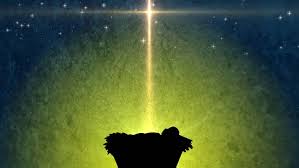
THAT’S what I’m working on! And that’s my prayer and hope for each one of you. That we can all stop clinging so tightly to the human elements of this season and place our attention on that manger – and eventually that penalty-paying cross.
Enjoy making new memories, cherish those from your past, but keep your eyes focused on what lies ahead!
The true light, which gives light to everyone, was coming into the world.
He was in the world, and the world was made through him, yet the world did not know him.
He came to his own, and his own people did not receive him.
But to all who did receive him, who believed in his name, he gave the right to become children of God, who were born, not of blood nor of the will of the flesh nor of the will of man, but of God.
And the Word became flesh and dwelt among us, and we have seen his glory,
glory as of the only Son from the Father, full of grace and truth.
John 1:9-14